Health Awareness

Don’t Take Medicine Without A Doctor’s Advice

Medicine Taking Awarness

⚠️ Dangers of Taking Medication Without Doctor’s Advice (Complete Guide)

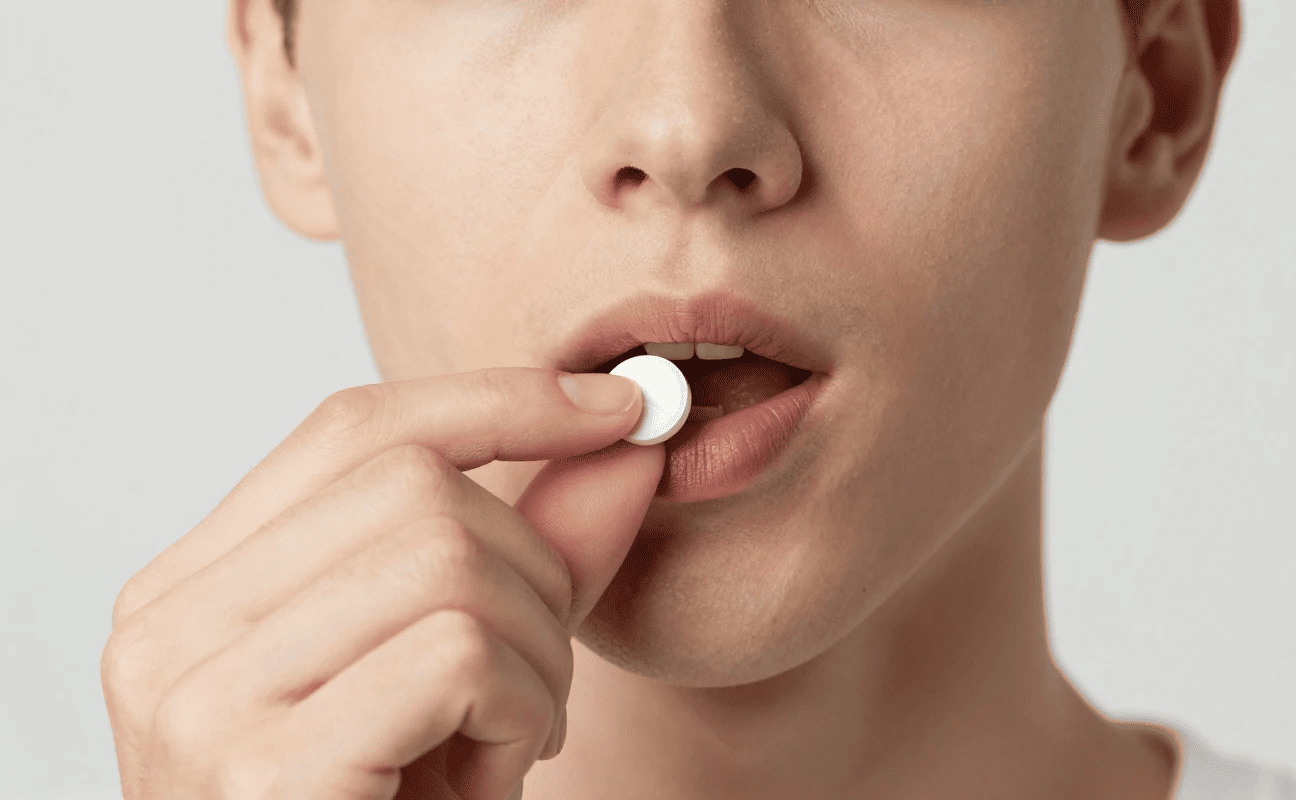
Self-medication has become increasingly common as people try to save time and money. However, taking over-the-counter or prescription medicines without consulting a doctor can lead to serious health risks.

In this guide, we’ll explore the dangers of self-medication, including incorrect dosage, antibiotic misuse, and harmful drug interactions.
🧠 What Is Self-Medication?

Self-medication refers to the use of medicines without professional medical advice. This includes:

  • Taking medicines based on past prescriptions
  • Using over-the-counter drugs without guidance
  • Increasing or decreasing dosage on your own

While it may seem harmless, self-medication can have long-term negative effects on your health.

🔍 Risk of Undiagnosed Underlying Conditions

One of the biggest dangers of self-medication is masking serious health problems.

Symptoms like:

  • Persistent fever
  • Skin rash
  • Headache
  • Vomiting
  • Dizziness

may indicate deeper medical conditions such as diabetes or heart disease.

Ignoring these symptoms and treating them without proper diagnosis can delay treatment and increase the risk of complications.

👉 Important: If symptoms last more than 5 days, consult a doctor immediately.

💊 Antibiotic Misuse and Resistance

Antibiotics are powerful medicines used to treat bacterial infections. However, their misuse can create serious problems.

Common mistakes:

  • Taking antibiotics for viral infections (like cold or flu)
  • Using leftover antibiotics
  • Not completing the full course

These practices lead to antibiotic resistance, where bacteria become stronger and stop responding to treatment.

As a result:

  • Infections become harder to treat
  • Medicines become less effective
  • Risk of spreading resistant bacteria increases

⚠️ Harmful Drug Interactions

Taking multiple medications without medical supervision can be dangerous.

Some drugs should never be combined. For example:

  • Certain medicines can dangerously lower blood pressure
  • Others may trigger heart complications
  • Some combinations reduce drug effectiveness

This can lead to untreated illness or severe side effects.

👉 Always consult a doctor or pharmacist before combining medications.

📏 Incorrect Dosage and Overdose Risk

Another major risk of self-medication is taking the wrong dosage.

Possible dangers:

  • Overdose: Taking too much medicine can be life-threatening
  • Underdose: Taking too little may not work, making your condition worse

This often leads people to take repeated doses, increasing the risk of toxicity and serious complications.


🚨 Why You Should Always Consult a Doctor

Doctors and pharmacists work together to ensure safe and effective treatment.

By consulting a healthcare professional, you can:

  • Get an accurate diagnosis
  • Receive the correct medication
  • Avoid harmful interactions
  • Prevent long-term health risks

✅ Conclusion

Although self-medication may seem convenient, it can have dangerous consequences. From misdiagnosis to antibiotic resistance and overdose, the risks are significant.

👉 Always consult a doctor before taking any medication.
Your health is too valuable to take unnecessary risks.

Leave a Reply

Your email address will not be published. Required fields are marked *